Discover Roof Lanterns for Enhanced Property Appeal
Enhance Your Yield: Picking the Perfect Rod and Reel for Your Needs
Choosing the correct fishing rod is critical for having a successful outing. Multiple factors affect this decision, including the water type and your intended fishing method. Comprehending the variations between freshwater and saltwater rods can significantly influence your results. Additionally, characteristics such as rod length and material serve important functions. Every choice impacts your overall fishing experience. What are the specific elements that can make or break your next catch?
Kinds of Angling Equipment: Freshwater versus Saltwater Waters
When picking a fishing rod, comprehending the difference between saltwater and freshwater selections is vital. Rods for freshwater are typically fashioned for use in lakes, rivers, and streams, where delicate lures and lines are standard. These rods often prioritize sensitivity to enhance the angler's skill to sense strikes from smaller species of fish. They are usually fashioned from elements that fight oxidation, but they may not withstand the tougher conditions of saltwater areas.
By contrast, saltwater rods are constructed to battle the rigors of ocean angling. These rods are quite strong, featuring substantial blanks and fortified guides to handle bigger fish and intense conditions. Saltwater rods also incorporate materials that protect against corrosion from saltwater exposure, preserving longevity. Understanding these distinctions can markedly affect an angler's achievement, as employing the correct rod for the setting can improve both throwing performance and overall angling experience.

Key Attributes to Evaluate in a Fishing Rod
Choosing the right fishing rod entails evaluating several essential features that can greatly impact performance and comfort. One key feature is the rod’s material, with options such as graphite, fiberglass, and composite, each offering varied benefits in terms of touch and durability. The rod’s length is also important; longer rods provide better casting distance, while more compact rods improve control and accuracy.
A important aspect is the performance of the rod, which determines how much it flexes under load. Fast action rods are excellent for quick hook sets, while slow action rods deliver more suppleness, making them appropriate for lighter lures. Additionally, the power rating displays the rod's strength to handle weight, ensuring compatibility with the intended catch. Finally, grip comfort and reel seat quality should not be neglected, as these elements promote an enjoyable fishing experience.
Matching Your Rod to Angling Techniques
Picking the appropriate fishing rod is essential for correctly pairing it to targeted fishing techniques. Various styles, such as throwing or dragging, or fly fishing, necessitate poles suited to their distinctive needs. For illustration, a quick-action pole is optimal for accurate casting, enabling anglers to precisely place lures in selected spots. Conversely, a slower-action rod is more appropriate for methods involving slow retrieves, as it provides increased sensitivity and regulation.
Additionally, the type of bait or lure being utilized plays a pivotal role in rod choice. Larger baits require a more rigid rod, while lighter baits benefit from a more flexible design. Comprehending the connection between rod features—such as power, see more action, and composition—and fishing techniques enables anglers to improve their results. By selecting a rod that aligns with their chosen method, fishermen can enhance their ability to catch fish effectively, resulting in more successful outings on the water.
Selecting the Perfect Fishing Rod Length
When selecting the suitable fishing rod length, anglers must examine the benefits of both short and long rods. Short rods present superior control and maneuverability, making them ideal for tight spaces and accurate casts. In contrast, long rods provide greater casting distance and leverage, benefiting those targeting larger species or fishing in open waters.
Short Rod Strong Points
Although anglers often emphasize casting distance for extended range, short rods provide several distinct benefits that can improve the fishing experience. Such equipment typically deliver increased maneuverability, enabling for accurate throws in tight spaces, such as thick aquatic plants or rocky shorelines. Their shorter length also aids in better control when fighting fish, decreasing the likelihood of losing a catch. Furthermore, compact poles can be easier to handle for long durations, reducing fatigue during extended angling trips. These rods are especially advantageous for techniques like jigging or when angling from watercraft, where room is restricted. Overall, short rods can be a worthwhile option for fishermen seeking flexibility and better control in different angling situations.
Lengthy Rod Perks
Many fishers believe that long poles provide distinct advantages, particularly in casting span and leverage. The extended length permits greater casting distance, letting fishermen reach faraway spots where fish may be hiding. This is especially helpful in large bodies of water, where accurate casts can lead to more bites. In addition, long rods offer improved leverage when controlling strong catches, making it easier to manage and land them. They also boost casting accuracy, enabling better control of the line and presentation. Furthermore, long rods commonly enhance hook-setting power, particularly in scenarios requiring quick reflexes. Overall, the advantages of longer rods can significantly improve an angler's performance and results on the water.
Material Comparison: Graphite vs. Fiberglass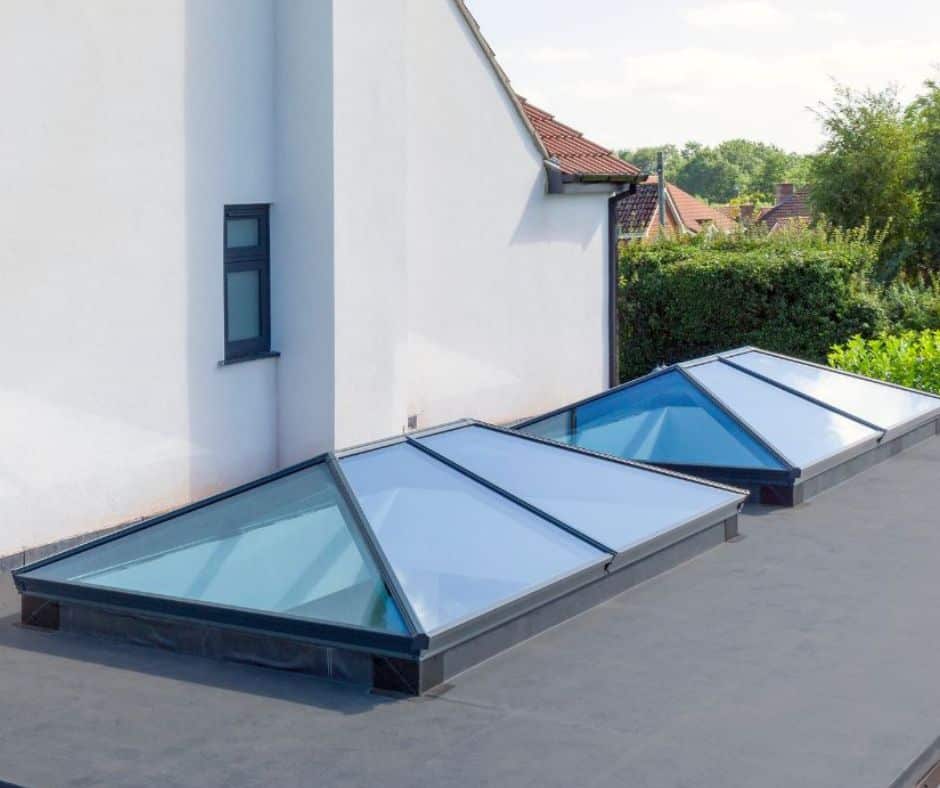
What impact does the selection of material have on a rod's performance? The material significantly influences a rod's sensitivity, weight, and durability. Carbon rods are recognized for their lightweight and sensitivity, enabling anglers to identify even the slightest bites. Their stiffness provides improved casting distance and accuracy, making them ideal for finesse techniques and pursuing species like trout or bass. However, graphite can be more fragile, prone to breaking under extreme stress.
On the other hand, fiberglass rods provide a more lenient flex, making them resilient and less susceptible to damage. They tend to dampen shock better, which can be beneficial when battling larger fish. While weightier than graphite, fiberglass rods are often preferred for their durability and adaptability, particularly in saltwater conditions. Ultimately, the choice between graphite and fiberglass boils down to personal preference and intended fishing style, each offering unique advantages suited to different conditions and techniques.
Methods for Evaluating and Protecting Your Fishing Rod
Comprehending the substances that comprise a fishing rod provides the foundation for proper maintenance and testing. Periodic inspection is vital; users should check for cracks, damage, or signs of wear that can alter output. A simple flexibility test can help evaluate the rod's action and responsiveness; flexing the rod gently can expose its strength and awareness.
After each use, cleaning the rod is necessary, especially when it has touched saltwater. A smooth rag and gentle soap are effective at removing debris without damaging the surface. Also, storing the rod in a protective cover or case stops unnecessary wear and tear.
Users ought to routinely check the guides and reel seat for snugness and smooth function. By adopting these practices, anglers can guarantee their fishing rods preserve peak condition, elevating their fishing experience and sustaining the lifespan of their equipment.
Often Asked Topics
Which Fishing Rod Is Best for Novices?
The top angling pole for novices typically includes a moderate action, about 6 to 7 feet in dimension, and a durable construction like fiberglass. This combination gives adaptability and accessibility for different angling circumstances.
How Much Funds Ought I Commit to a Fishing Pole?
Experts recommend investing between $50 to $150 on a fishing rod for beginners. This range combines quality and cost-effectiveness, ensuring a pleasant experience without excessive investment, allowing for adjustments as skills and preferences develop.
Can a Saltwater Rod Be Used in Fresh Water?
Yes, a saltwater rod can be applied in freshwater. However, its design may not improve performance for freshwater species, and the added corrosion resistance may be redundant, conceivably making it a heavier choice for recreational light fishing.
What signs show that my rod could be excessively heavy?
A rod is judged as too heavy if casting feels awkward, requires excessive effort, or results in weariness. Additionally, if it cannot readily sense faint strikes, it may not suit the target fishing technique effectively.
What Are the Indicators of a Damaged Fishing Rod?
Indicators of a faulty fishing rod include detectable cracks, splintering, or bends in the blank. Furthermore, guides might exhibit wear or misalignment, and the reel seat may be shaky or damaged, impacting efficiency and safety.